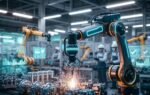
Digital Twin IoT: 7 Proven Benefits for Manufacturers

IoT Technology Manufacturing Industry 4.0 Digital Twin IoT: 7 Proven Benefits for Manufacturers A live virtual replica of your machines — updated every second by IoT sensors — that predicts failures, eliminates downtime, and lets you test process changes without touching production. IoT Mail Bridge | August 12, 2026 | ⏱ 9 min read | Category: IoT & Automation Key Takeaways — TL;DR A digital twin IoT is a live virtual model of a physical machine, updated in real time by sensor data — not a static simulation. Manufacturers using digital twins report up to 25% reduction in unplanned downtime and 20–30% lower maintenance costs, per McKinsey 2025. The global digital twin market is projected to reach $110 billion by 2028, growing at 39% CAGR, according to MarketsandMarkets. Digital twins work across manufacturing, energy, aerospace, smart cities, and healthcare — any industry with physical assets and IoT sensors. Starting small works: identify 2–3 high-risk machines, deploy sensors, build the twin, then scale from proven ROI. In This Article What is a digital twin in IoT? How does a digital twin work with IoT sensors? What industries use digital twins? 7 proven benefits of digital twin IoT for manufacturers Digital twin vs simulation: the key difference What are the challenges of digital twin adoption? How to start with digital twins in IoT Frequently asked questions $110B Digital twin market size by 2028 — MarketsandMarkets 39% CAGR of digital twin industry 2023–2028 25% Average reduction in unplanned downtime — McKinsey A machine fails at 2 AM. The production line stops. The maintenance team scrambles. By the time the fault is traced and the part replaced, eight hours of output are gone. Digital twin IoT technology exists to make that scenario obsolete. IoT Mail Bridge has tracked this shift across manufacturing sectors — and the data is no longer speculative. It is on the factory floor, delivering measurable results right now. A digital twin is not a diagram or a dashboard. It is a live, continuously-updated virtual replica of a physical machine — fed by real sensor data, capable of predicting failures before they happen, and safe to run experiments on without touching production. This guide breaks down exactly what digital twins do, which industries are using them, and the 7 concrete benefits manufacturers are seeing today. Definition What Is a Digital Twin in IoT? A digital twin in IoT is a real-time virtual replica of a physical machine, process, or system — continuously updated by live sensor data. It lets manufacturers monitor, simulate, and optimise equipment performance without touching the physical asset. Unlike a static 3D model, a digital twin changes every second as the real machine changes. The concept was pioneered by NASA in the 1960s to simulate spacecraft conditions remotely. Today, IoT sensors have made it affordable and practical for any manufacturer. Vibration sensors, temperature gauges, pressure monitors, and output-rate trackers stream data continuously to a cloud or edge platform. That platform maintains the virtual model — updating it in real time to reflect exactly what the physical machine is doing at every moment. The result is a second machine that exists only in software but behaves exactly like the physical one. You can stress-test it, run scenarios, and watch what happens — without risking a second of production downtime. IoT Mail Bridge covers how this connects to the broader world of industrial IoT and factory downtime reduction across sectors. Physical asset (left) mirrored by its live digital twin (right) — data streams update the model every second. How It Works How Does a Digital Twin Work With IoT Sensors? IoT sensors attached to physical equipment stream real-time data — temperature, vibration, pressure, output rate — to a cloud or edge platform. This data updates the digital twin continuously, keeping the virtual model an exact mirror of the physical machine at every moment. AI and analytics layers sit on top to identify anomalies and predict failure. The data pipeline works in four layers. Sensors collect physical data at the machine level. Edge computing nodes (covered in detail in IoT Mail Bridge’s guide on when to use edge computing) process and filter that data locally before it reaches the cloud. The cloud platform maintains the twin model. And the analytics layer — usually machine learning — watches for patterns the human eye would miss. When a bearing starts to develop micro-vibrations that precede failure by three weeks, the digital twin model detects the deviation from baseline and flags it. The maintenance ticket is raised automatically. The bearing is replaced on a scheduled shift — not at 2 AM with the line stopped. That is the practical power of the technology. Industry Use Cases What Industries Use Digital Twins? Manufacturing leads digital twin adoption at 28% of all deployments globally. Energy and utilities, automotive, aerospace, smart cities, and healthcare all use the technology. Any industry that runs physical assets and generates IoT sensor data is a candidate. Digital twins are active across four major industry verticals — each with distinct ROI drivers. Industry Digital Twin Application Key Outcome Manufacturing Machine health monitoring, production line simulation 25% less unplanned downtime (McKinsey 2025) Energy & Utilities Wind turbine and grid asset management 16% increase in renewable output efficiency Automotive Vehicle component testing, assembly line optimisation 40% faster product development cycles (Siemens) Aerospace Engine health monitoring during flight Near-zero surprise maintenance events (GE Aviation) Smart Cities Infrastructure simulation, traffic and energy grid twins Singapore reduced city planning cost by 30% Healthcare Medical equipment uptime, hospital flow simulation Equipment availability improved by 18–22% From Our Network IoT Insights Hub Digital Twin Technology: The Future of Smart Operations How digital twins are reshaping real-time monitoring and predictive operations across industries. The Business Perspective How Smart Tech Investment Is Reshaping Industry in 2026 The $16B Waymo round is one signal of how seriously capital is backing physical-world technology integration. Core Benefits 7 Proven Benefits of Digital Twin IoT for Manufacturers These are not theoretical advantages. IoT Mail…


Read Full News
How to Set Up IoT Email Automation the Right Way

How to Set Up IoT Email Automation the Right Way

How to Set Up IoT Email Automation Right: 7 Proven Steps Home› Automation Tools› IoT Email Automation Automation Tools How to Set Up IoT Email Automation Right: 7 Proven Steps Smart devices generate thousands of events daily. Most disappear into dashboards nobody watches. IoT email automation fixes that — routing critical device events directly to the right inbox the moment they happen, automatically, without a human in the loop. A By Akash ·August 3, 2026 · 8 min read ·Category: Automation Tools Quick Answer IoT email automation connects your smart devices to an email system so that sensor events, device failures, and threshold breaches automatically trigger emails to the right people — no manual step needed. A working setup requires five things: defined trigger events, a middleware platform (such as Node-RED or AWS IoT Core), a transactional email service with SPF/DKIM/DMARC, a 3-tier alert routing system, and a standard alert email template your team can act on in seconds. 75B+ IoT devices expected globally by 2025 (per Statista) $260K Avg. cost per hour of unplanned industrial downtime (per Gartner) <8s Target delivery window for a critical IoT email alert Understanding the Basics What Is IoT Email Automation — and Why Does It Matter? IoT email automation is a system that connects Internet of Things devices — sensors, PLCs, gateways — to your email infrastructure, so device events trigger emails to the right person immediately and automatically. It eliminates the gap between what your devices detect and what your team knows about. Picture a cold storage unit. The temperature sensor crosses 8°C. The reading goes to a monitoring dashboard. No one is watching it. By morning, the entire inventory is spoiled — and the sensor was working perfectly the whole time. That is the gap IoT email automation closes. When a device detects something that needs attention, the right person gets an email immediately. No manual step. No delay. No reliance on someone watching a screen. This is not about volume. It is about routing the signal that matters to the person who can act on it. A well-configured IoT email automation system runs invisibly in the background and protects operations around the clock. If you are already familiar with how digital twins help manufacturers test process changes before they happen, IoT email automation is the real-time alert layer that makes those signals immediately actionable. Who needs this? Any team managing connected devices — manufacturing floors, warehouse sensors, logistics fleets, smart buildings, agricultural monitoring, or healthcare equipment. If devices generate data your team needs to act on, you need IoT email automation. The Core Logic How IoT Email Automation Works Every IoT email automation setup follows the same three-step loop: a device event triggers a rule, a middleware platform processes the rule, and that platform fires an email via a transactional delivery service. The complexity — and the value — is entirely in how you design that middle layer. What separates a well-designed IoT email automation system from one that gets ignored is the quality of the filtering, routing, and escalation logic. Without proper rule design, inboxes flood. Without proper delivery setup, alerts land in spam. Without escalation paths, critical alerts go unanswered. Getting these right from the start saves weeks of painful fixes later. Understanding how predictive maintenance uses machine learning to catch failures early can help you decide which device signals are genuinely worth turning into email triggers in the first place. Step 1 of 7 Define Your Trigger Events Before You Touch Any Tool In IoT email automation, defining trigger events first is the single most important decision you will make. Every event that does not require immediate human action should be excluded from individual sends — it goes in a digest or dropped entirely. Vague triggers are the root cause of alert fatigue. 1 Map what actually needs a human to respond Foundation — do this before any platform selection The most common reason IoT email automation systems fail is not technical. Teams connect every sensor, every event fires an email, and within two weeks inboxes are swamped. People create auto-delete rules. The system defeats itself. This is alert fatigue — and it starts at the trigger definition stage. Be ruthless about what gets an individual email. If a reading can wait until a morning digest, it is not a trigger event. Only events that require a real human to do something immediately belong in the Critical tier. Sensor threshold breaches — temperature, pressure, humidity, vibration beyond safe range Device going offline or losing network connectivity unexpectedly Unauthorised access, motion in restricted zones, security anomalies Process anomalies — machine cycle times outside acceptable variance Maintenance triggers based on runtime hours, not calendar dates Scheduled digests — daily or weekly summaries for non-critical operational data Step 2 of 7 Choose the Right IoT Platform or Middleware The middleware layer is the translation engine between your devices and your email system. It receives MQTT, HTTP, or CoAP messages from devices, evaluates your alert rules, and fires emails when conditions are met. For IoT email automation, the right platform depends on your team size and deployment scale. 2 Pick the translation layer between devices and email Platform selection — match to your scale and team capability IoT devices speak MQTT, CoAP, or HTTP. Your email service speaks SMTP or a REST API. You need a middleware layer in between that collects device messages, evaluates your alert rules, and triggers your IoT email automation when conditions are met. The right choice depends entirely on your team size and deployment scale. Node-REDOpen source visual flow builder. Best for custom IoT email automation setups with developer support. AWS IoT CoreEnterprise-grade, scales to millions of devices. Deep integration with Amazon SES for automated alerts. Make / ZapierNo-code IoT email automation. Good for webhook-based IoT sources without dev resources. MQTT + Custom BackendMaximum control. Best for developer teams who need full rule and routing ownership. HiveMQ / EMQXDedicated MQTT brokers with built-in rule engines,…

Read Full News
Industrial automation solutions for manufacturing growth

Industrial Automation Solutions for Growth

In today’s fast-paced manufacturing world, staying ahead means embracing change. Many Indian factories still rely on manual processes that slow them down and raise costs. This is where industrial automation solutions come in. They help companies produce more with less effort, reduce errors, and grow steadily in a competitive market. Business owners across sectors like automotive, pharmaceuticals, food processing, and textiles often face challenges such as labour shortages, rising operational costs, and the need for consistent quality. Industrial automation solutions address these issues directly. By integrating smart systems like PLCs, SCADA, robotics, and IoT sensors, factories can achieve higher productivity and scalability. In India, where manufacturing is a key pillar of economic growth, these solutions are becoming essential for long-term success. Why Industrial Automation Solutions Matter for Growth Industrial automation solutions refer to the use of control systems, software, and advanced machinery to handle tasks with minimal human intervention. This includes everything from simple sensors to full smart factory setups. The result? Businesses see real growth through better efficiency and lower risks. According to industry reports, the global industrial automation market is expanding rapidly, with strong adoption in Asia-Pacific regions including India. Companies that invest early often report 20-50% improvements in key areas like throughput and downtime reduction. For a mid-sized manufacturer in Pune or Coimbatore, switching to automation can mean moving from manual data entry to real-time monitoring. This shift frees up workers for higher-value tasks and helps scale production without proportional increases in staff. Key Benefits of Implementing Industrial Automation Solutions Businesses that adopt industrial automation solutions enjoy several clear advantages that directly support growth: One Indian automotive parts manufacturer using tailored automation saw a 35% output increase and 20% cost reduction, delivering ROI in just nine months. Latest Trends Shaping Industrial Automation Solutions The field is evolving quickly. In 2026, several trends stand out for Indian manufacturers: AI and Predictive Analytics: Systems now predict failures before they happen, the same shift we break down in how predictive maintenance uses machine learning to catch equipment failures early. This moves maintenance from reactive to proactive. Collaborative Robots (Cobots): These work safely alongside people and are ideal for SMEs handling varied production runs — we go deeper into where this pays off fastest in how robotics in manufacturing boosts efficiency and quality. Digital Twins and IIoT: Virtual replicas of production lines let teams test changes without stopping operations. Edge computing processes data locally for faster decisions. Sustainability Focus: Automation helps monitor and reduce energy use, aligning with government green initiatives. Cybersecurity in OT Networks: As systems connect more, protecting them becomes critical, especially with regulations tightening. These trends make industrial automation solutions more accessible and powerful than ever, even for smaller setups. Real-Life Examples from India and Around the World Consider a dairy plant in Punjab that automated its Clean-In-Place (CIP) wash system. Manual operations gave way to consistent, compliant cycles using modern PLC and SCADA integration. This reduced waste and improved food safety standards. Globally, Nestlé transformed a plant in Mexico with Schneider Electric’s platform. They avoided major incidents and saved around $2 million. Closer home, automotive giants in India use MES systems to boost OEE from 62% to 85% and slash downtime. A food processing unit reduced energy consumption by 30% after implementing Industry 4.0 solutions. These stories show that industrial automation solutions deliver measurable growth across sectors. How to Get Started with Industrial Automation Solutions Taking the first step does not need to be overwhelming. Follow these practical tips: Budgeting wisely matters. Many projects pay back within 1-2 years through savings and increased output. Addressing Common Concerns Is it too expensive for SMEs? Not necessarily. Modular and scalable options exist. Government schemes like PLI for manufacturing can help offset costs. What about job losses? Automation often creates new roles in programming, data analysis, and maintenance. It makes existing jobs safer and more skilled. How to ensure ROI? Set clear KPIs from the start, such as OEE, downtime hours, and energy consumption. Regular reviews help fine-tune the system. Taking Your Business to the Next Level Industrial automation solutions are no longer a luxury for big corporations. They are a practical tool for growth that Indian manufacturers can use today. By improving efficiency, quality, and flexibility, these solutions help companies compete globally while building resilience at home. Whether you run a textile unit in Tirupur, a pharma plant in Hyderabad, or an auto component facility in Gurgaon, the right automation strategy can unlock new opportunities. The factories seeing the biggest gains rarely start with a full overhaul — most begin with one bottleneck, a single line, or a single repetitive task, and expand once the numbers prove out. If you’re weighing where automation would actually move the needle for your operation, our piece on using Industrial IoT to cut factory downtime is a good next read, or you can check this external resource on Industry 4.0 from a reputable body for a broader market view.

Read Full News
Industrial IoT: 7 Proven Ways to Cut Factory Downtime

Industrial IoT: 7 Proven Ways to Cut Factory Downtime

A single stopped line at an automotive plant can burn through more than a lakh of dollars an hour. Multiply that across a bad week, and the number stops feeling abstract. This is the reality plant managers live with, and it’s exactly the problem Industrial IoT was built to solve. Deloitte estimates unplanned downtime costs manufacturers roughly $50 billion every year across the industry. That figure isn’t going down on its own. What actually moves the needle is connected sensors, real-time data, and automated alerts working together before a failure turns into a shutdown. Here are seven proven ways factories are using Industrial IoT to make that happen. 1. Predictive Maintenance Instead of Fixed Schedules Most plants still service equipment on a calendar, every 90 days, regardless of actual wear. That approach wastes parts on machines running fine, and misses the ones about to fail early. Industrial IoT sensors track vibration, temperature, and oil quality continuously. So instead of guessing, maintenance teams know exactly when a bearing is degrading — we walk through exactly how this works in how predictive maintenance uses machine learning to catch equipment failures early. Industry data points to a 20-50% drop in unplanned downtime once predictive maintenance replaces fixed schedules, along with real savings on parts and labour. 2. Continuous Condition Monitoring on Critical Assets Not every machine deserves the same attention. A conveyor motor and a $2 million press don’t carry equal risk if they fail. Condition monitoring puts sensors specifically on high-risk, high-cost equipment, tracking things like: This narrows attention to what actually matters, rather than drowning teams in data from equipment that barely ever breaks. 3. Instant Failure Alerts That Actually Reach Someone Here’s a problem that gets overlooked constantly: even great sensor data is useless if the alert doesn’t reach the right person fast enough. A lot of plants still rely on a shared inbox or a dashboard nobody checks after hours. That’s precisely where things fall apart during a night shift or a weekend fault. Automated, device-level alerting, sent directly and reliably rather than buried in a spam folder, closes this gap. If your alerting setup runs on plain SMTP through a generic mailbox, it’s worth reading our guide on why a dedicated SMTP relay for IoT devices matters more than most teams realise. 4. Remote Monitoring Across Multiple Sites Plant managers running two or three facilities can’t physically walk every floor every day. Industrial IoT changes that equation completely. A central dashboard pulling live data from every site means one person can spot a developing issue at a facility three states away, often before local staff even notice. This is particularly valuable for companies managing distributed operations, where travel time alone used to delay every response. Real-World Example Siemens’ Amberg plant in Germany is a widely cited case here. By layering IoT sensors and digital twin technology across its production line, the facility pushed unplanned downtime down by 20% while hitting a 99% availability rate. That’s not a small manufacturer experimenting, it’s proof this works at serious scale. 5. Digital Twins for Testing Before Committing A digital twin is essentially a live, virtual copy of your physical equipment or process, fed by real sensor data. Instead of testing a new production setting directly on the line and risking a costly mistake, engineers can simulate the change first. This catches problems on screen, not on the factory floor, and it’s becoming a standard part of how larger manufacturers plan changes. 6. Tighter Integration with SCADA and MES Systems Sensor data sitting in isolation doesn’t help anyone make decisions quickly. Industrial IoT delivers real value once it connects into the systems teams already use daily, SCADA for control, MES for production tracking. When these systems talk to each other properly, an anomaly detected on the shop floor can trigger a maintenance ticket automatically, without someone manually cross-checking three different screens. 7. Root Cause Analysis Backed by Real Data Guessing why a machine failed, based on memory and a maintenance log from six months ago, wastes time and often gets the diagnosis wrong. With continuous IoT data logging, teams can pull up the exact conditions leading up to a failure: temperature spikes, unusual vibration, a pressure drop twenty minutes before the stoppage. That turns root cause analysis from a guessing game into an actual investigation. Frequently Asked Questions Is Industrial IoT only worth it for large factories? Not anymore. Sensor hardware has become considerably cheaper, and even mid-sized plants now see a reasonable payback period within a year or two. How is Industrial IoT different from regular consumer IoT? Industrial IoT is built for harsh environments, continuous uptime, and integration with legacy industrial systems, requirements consumer smart devices were never designed to meet. What’s the biggest mistake plants make when adopting Industrial IoT? Collecting data without a clear alerting and response plan. Sensors alone don’t prevent downtime, someone still needs to receive and act on the alert quickly. For a wider technical breakdown of how IIoT platforms are architected, McKinsey’s overview of Industry 4.0 technologies is worth a read. Turn Sensor Data Into Alerts People Actually See Every strategy above depends on one thing working properly: the alert reaching a human before the problem gets worse. If your factory’s IoT setup is generating good data but the notifications keep slipping through the cracks, that’s usually a delivery problem, not a sensor problem. Get in touch with our team to see how a properly configured alerting channel closes that last, critical mile. If you’re setting up sensors from scratch, our practical checklist for deploying industrial IoT sensors covers what to get right before the first sensor even goes live.

Read Full News
Smart AI tools for business growth in 2026 helping Indian entrepreneurs

Smart AI Tools for Business Growth in 2026

Every business owner in India today feels the pressure. Customers expect faster service, competitors move quicker, and teams struggle to handle growing workloads. In this fast-changing world, smart AI tools for business have become essential helpers. They are not just fancy gadgets but practical solutions that help small and medium businesses grow without adding too many extra costs or staff. I have seen many Indian entrepreneurs shift from long manual hours to smarter ways of working. Whether you run a retail shop in Mumbai, a manufacturing unit in Coimbatore, or a service firm in Bangalore, these tools can make a real difference. In this article, we explore how AI tools for business are helping companies achieve better results in 2026. We will look at specific examples, easy-to-use options, and simple steps you can take right away. Why AI Tools Matter for Business Growth Right Now Businesses across India are adopting AI faster than ever. Recent reports show that a large number of companies now use AI in at least one area, leading to higher productivity and lower costs. For many, it means saving several hours each week on repetitive tasks. Think about a typical day. You spend time answering similar customer questions, creating reports, or following up on leads. AI tools for business handle these jobs quickly and accurately, so you can focus on strategy and customer relationships. In 2026, the difference between growing steadily and falling behind often comes down to how well you use these tools. Top AI Tools for Business That Deliver Results Here are some proven AI tools that many businesses use successfully: Microsoft 365 Copilot This tool works inside familiar programs like Word, Excel, and Teams. It helps draft emails, analyze sales data, and even summarize meetings. Many Indian companies using Microsoft tools have reported big time savings after adding Copilot. ChatGPT and Similar Assistants OpenAI’s ChatGPT remains popular for writing proposals, creating marketing content, and brainstorming ideas. The business version offers better security and team features. Small teams in India use it to prepare client presentations in minutes instead of hours. Google Gemini Perfect for businesses already using Google Workspace. It integrates well with Gmail, Docs, and Sheets for research, summarization, and data insights. Claude by Anthropic Great for longer documents and careful analysis. Many professionals prefer it for detailed reports and careful editing work. How AI Tools Improve Productivity in Daily Operations One of the biggest benefits is automation of routine work. For example: A manufacturing business in Pune I know started using AI for inventory predictions. They reduced stock shortages by almost 30% in the first few months. Stories like this are becoming common across India. Real Examples from Indian Businesses Many Indian companies are already seeing success. Service firms use AI for quick proposal writing. Retailers analyze customer data to offer better recommendations. Manufacturing units are increasingly using AI to predict maintenance needs before machines break down. One e-commerce seller in Delhi shared how AI tools helped him manage customer queries during festival sales. What used to take days now gets handled smoothly, leading to higher satisfaction and repeat business. Choosing the Right AI Tools for Your Business Not every tool fits every business. Start small: Look for tools with good Indian language support and easy mobile access. Many now offer affordable plans suitable for small businesses. Common Challenges and How to Overcome Them Many owners worry about data security or learning new tools. Choose platforms with strong privacy features and start with free trials. Most tools have helpful guides and support communities. Remember, AI works best as a helper. Human judgment remains important for final decisions and customer relationships. Future of AI Tools for Business in India By the end of 2026 and beyond, AI will become even more integrated. Expect better local language support, easier automation, and tools designed specifically for Indian market needs like GST compliance or regional preferences. Businesses that start now will have a clear advantage. They will work faster, serve customers better, and grow sustainably. Take Action Today Ready to grow your business with smart technology? Pick one AI tool this week and test it on a small task. See the difference it makes in your daily work. Visit our other articles on robotics in manufacturing to learn how technology is changing industries. For more insights, check this detailed report on AI adoption from a trusted source like McKinsey. Start small, stay consistent, and give each tool a real month before judging it — most of the wins above came from businesses that stuck with one change long enough to see it actually pay off.

Read Full News
How Robotics in Manufacturing Boosts Efficiency & Quality

How Robotics in Manufacturing Boosts Efficiency & Quality

Walk onto most modern factory floors today and you’ll notice something missing — the constant scramble. No frantic re-checking of a batch that went wrong three hours ago. No supervisor pulled off the line to cover a shift gap. Robotics in manufacturing has quietly taken over the parts of the job that used to eat up time, patience, and money, and the factories using it well are pulling ahead of the ones still doing things the old way. This isn’t a story about giant car plants anymore. Mid-sized manufacturers, ancillary units, and export-focused units across India are adopting robotics too, and for good reason. Let’s look at what it actually changes on the ground. What Robotics in Manufacturing Actually Means Robotics in manufacturing covers a lot more than the giant welding arms you picture from car assembly lines. It includes: Some units use one or two of these. Others build an entire smart factory around them. Either way, the goal stays the same: take repetitive, error-prone work off human hands and hand it to a machine that doesn’t get tired at 4 PM. Why Factories Are Turning to Robotics in Manufacturing Now A few pressures are pushing this shift, and none of them are going away soon. Rising Labour Costs and Shortages Skilled shop-floor labour is harder to find and retain than it was five years ago. Training takes time, and turnover eats into that investment. Robots don’t quit, and they don’t need six weeks to get up to speed on a new process. Buyers Expect Zero-Defect Batches A single bad shipment can end a long-term supply contract. Manual quality checks catch a lot, but tired eyes miss things. Automated inspection doesn’t. Margins Are Getting Tighter Raw material costs move constantly. The one thing a manufacturer can actually control is how efficiently the shop floor runs — and that’s exactly where robotics in manufacturing pays off fastest. Where Robotics in Manufacturing Makes the Biggest Difference Faster, More Consistent Production Lines A robotic arm doesn’t slow down after eight hours the way a person naturally does. It repeats the same motion at the same speed, shift after shift. That consistency alone can lift output significantly without adding a single extra machine hour. Fewer Errors, Tighter Quality Control Camera-guided inspection systems catch surface defects, dimension mismatches, and misalignments at a scale no manual QC team can match. They flag a faulty part before it reaches packaging, not after a customer complaint lands on your desk. Safer Shop Floors Heavy lifting, repetitive strain, and exposure to fumes or extreme heat are where most factory injuries happen. Robots take over exactly these tasks, which cuts down on workplace accidents and the downtime that follows them. Handling Demand Spikes Without a Hiring Scramble Festive season orders or a sudden bulk contract used to mean scrambling to recruit and train temporary staff. With robotics already in place, a factory can absorb that spike by running existing machines longer, not by hiring under pressure. A Practical Example Take a mid-sized auto-ancillary unit that added two robotic welding arms to one production line. Within the first quarter, rework on welded joints dropped sharply, and the line kept pace even when order volume rose 20% ahead of festive demand. No new hires were needed for that surge. The unit didn’t automate the whole factory — it started with the one process causing the most rework, and expanded from there. That’s usually the smarter starting point: pick the process bleeding the most time or money, automate that first, then measure before you scale further. If you’re mapping out where to begin, our Automation Tools section breaks down specific use cases by industry. For a broader view of where global manufacturing is headed, the International Federation of Robotics tracks adoption trends worth watching. Common Questions About Robotics in Manufacturing Is robotics only practical for large factories? Not anymore. Modular robotic units now suit mid-sized manufacturers too, especially for welding, packaging, and inspection tasks that don’t need a full production overhaul. Will robots replace factory workers? Mostly, roles shift rather than disappear. Repetitive tasks move to machines, while workers take on supervision, quality oversight, and process improvement — work that actually needs judgment. How soon do manufacturers see results? Most units notice fewer errors and steadier output within the first few months. Full cost recovery usually takes a bit longer, but the operational gains show up early. Do robots require constant technical staff? Not for most modular systems. Basic operation and monitoring can be handled by trained shop-floor staff, with technical support needed only for setup and periodic maintenance. Where Should You Start? You don’t need to automate the entire shop floor in one go. Pick the single process causing the most delays or the most rework — that’s usually where robotics in manufacturing pays for itself the fastest. Pilot it, measure the difference, and let the results decide what gets automated next. If you’re running a B2B operation rather than a pure factory floor, our piece on how robotics scales B2B operations covers the same idea from that angle. The factories pulling ahead right now aren’t the ones with the most robots. They’re the ones that picked the right process to automate first.

Read Full News
Robotics scaling B2B operations and manufacturing efficiency

7 Proven Ways Robotics Will Scale Your B2B Operations Now

Picture a warehouse floor at 2 AM. No lights flickering on for a night shift, no coffee breaks, no fatigue slowing anyone down. Just steady, precise movement — pallets shifting, parts sorting, orders getting packed. That’s robotics quietly doing what it does best, and it’s exactly why more B2B companies are betting on it to grow. Robotics isn’t just for car factories anymore. From logistics hubs to mid-sized manufacturing units, robotics has moved from “nice to have” to “how do we compete without it.” If your business handles repetitive tasks, tight margins, or rising order volumes, robotics might be the missing piece in your growth plan. Here’s what robotics can actually do for a B2B operation — not the sales-pitch version, the practical one. What Robotics Actually Solves for B2B Teams Most B2B businesses hit the same wall while scaling. Orders grow faster than the team can handle. Manual processes start creating errors. Hiring more people helps for a while, but costs climb faster than revenue. Robotics doesn’t replace your team. It takes over the repetitive, error-prone parts of the job so your people can focus on decisions that actually need a human. That shift alone changes how fast a business can grow. 7 Proven Ways Robotics Scales B2B Operations 1. Robotics Cuts Repetitive Work Off Your Team’s Plate Sorting, labelling, data entry, packing — these tasks eat hours every single day. A robotic system handles them without breaks, without slowing down by hour six, and without needing supervision. Your staff, in turn, gets pulled toward higher-value work like client handling, planning, and problem-solving. That’s a better use of skilled people, and it usually shows up in morale too. 2. Robotics Speeds Up Order Fulfilment B2B buyers expect fast turnaround now, almost the way retail customers do. Warehouse robots that pick, sort, and pack orders can move through volume far quicker than a manual line. Faster fulfilment means fewer delayed shipments and fewer awkward calls explaining why an order is late. For a B2B relationship, that reliability builds real trust over time. 3. Robotics Improves Accuracy in Data-Heavy Tasks Manual inventory counts and barcode scanning are where small mistakes creep in. A tired employee misreads a code, and suddenly stock records don’t match reality. Robotic scanning and sorting systems don’t get tired. They read the same code the same way, every time. Fewer mismatches mean fewer returns, fewer customer complaints, and a cleaner supply chain overall. 4. Robotics Strengthens Quality Control Camera-guided robotic arms can inspect products at a pace and consistency no manual QC team can match. They catch defects early, before a faulty batch reaches a client. For B2B suppliers, one bad shipment can cost a long-term contract. Robotics reduces that risk significantly, and it does so quietly, in the background, without adding headcount. 5. Robotics Frees Up Budget for Growth Yes, robotics needs upfront investment. But once it’s running, the long-term cost of repetitive labour drops. That freed-up budget can go toward sales, product development, or expanding into new markets. Many companies find that robotics pays for itself within a couple of years, purely through reduced errors, faster output, and lower overtime costs. 6. Robotics Makes Scaling Easier Without Matching Headcount Here’s the real advantage for growing B2B firms: production volume can go up without hiring at the same pace. Robotics absorbs demand spikes — festive season orders, sudden bulk contracts, seasonal surges — without the scramble to recruit and train temporary staff. That flexibility alone can be the difference between accepting a big order and turning one away. 7. Robotics Builds Trust With B2B Partners Consistency wins contracts. When a client knows your delivery timelines and product quality won’t waver, robotics quietly earns you a seat at bigger tables — tenders, long-term supply deals, exclusive partnerships. In a B2B market, reliability is often a bigger differentiator than price. Common Questions About Robotics in B2B Is robotics only for large manufacturers? Not anymore. Smaller robotic units and modular systems now suit mid-sized B2B companies too, especially in logistics, packaging, and light assembly. Will robotics replace jobs on my team? Mostly, it shifts roles rather than removing them. Repetitive tasks move to machines, while your team takes on supervision, planning, and client-facing work. How long before robotics shows results? Most businesses notice fewer errors and faster output within the first few months. Full cost recovery usually takes longer, but the operational benefits show up early. Where Do You Start With Robotics? You don’t need a factory-wide overhaul to begin. Start with one repetitive, high-error process — inventory sorting, packaging, or quality checks — and pilot a robotic solution there. Measure the result, then expand. This mirrors what we’ve seen on the pure manufacturing side too — our piece on how robotics in manufacturing boosts efficiency and quality walks through the same pick-one-process-first approach from the factory floor. If you’re exploring what fits your operation, our Automation Tools section breaks down real use cases across industries. For a broader industry view, the International Federation of Robotics tracks global adoption trends worth keeping an eye on. Robotics isn’t a distant, futuristic idea anymore — it’s a practical growth lever sitting right in front of most B2B businesses today. The only question left is which process you’ll hand over first.

Read Full News
Autonomous Delivery Drones Revolutionize Same‑Day Shipping Now

Autonomous Delivery Drones: Revolutionize Same‑Day Shipping Now

Imagine ordering a new phone online and having it at your doorstep in hours. Sounds like magic, right? Thanks to autonomous delivery drones, this is becoming reality. These flying robots are changing how we shop, making same-day shipping faster, cheaper, and eco-friendly. In this blog post, we’ll explore how these drones work, why they’re a game-changer, and what challenges they face. Let’s dive into the exciting world of drone delivery! What Are Autonomous Delivery Drones? Autonomous delivery drones are small, unmanned aircraft that deliver packages without a human pilot. They use advanced tech like GPS, sensors, and artificial intelligence to navigate and drop off goods. Think of them as tiny delivery trucks that fly! These drones can carry small to medium-sized packages, often under 5 pounds, and deliver them right to your door. Businesses like Amazon, Walmart, and UPS are already testing autonomous delivery drones. They aim to make shipping quicker and more efficient. Instead of waiting days for your order, you could get it in hours. Plus, drones don’t get stuck in traffic, which is a huge win for city dwellers. How Do Autonomous Delivery Drones Work? Ever wondered how a drone knows where to go? It’s pretty cool! Autonomous delivery drones rely on a mix of smart technologies to get the job done. Here’s a simple breakdown: Once a drone picks up a package from a warehouse, it flies to the delivery spot, lowers the package (sometimes with a small parachute), and returns. It’s like a high-tech pizza delivery, but for everything! Why Autonomous Delivery Drones Are a Big Deal So, why all the buzz about autonomous delivery drones? They’re solving real problems for both customers and businesses. Let’s look at the biggest benefits. Speedy Deliveries With drones, same-day shipping isn’t just possible—it’s becoming normal. Drones can fly directly to your location, avoiding roads and traffic. In rural areas, where delivery trucks take longer, drones can cut delivery times dramatically. Imagine getting medicine or groceries in under an hour! Eco-Friendly Shipping Drones run on electricity, not gas, so they produce fewer emissions than traditional delivery vans. This is a huge plus for the environment. As companies aim to go green, autonomous delivery drones are a step toward sustainable shipping. Cost Savings for Businesses Drones can lower delivery costs. They don’t need drivers, fuel, or expensive trucks. Over time, this could mean cheaper shipping for customers, too. Businesses are excited because drones could save them millions while keeping customers happy. Reaching Remote Areas For people in hard-to-reach places, like rural towns or islands, drones are a lifesaver. They can deliver essentials like medical supplies or food where trucks can’t easily go. Autonomous delivery drones are bridging the gap for communities that often wait days for deliveries. Challenges Facing Autonomous Delivery Drones While autonomous delivery drones sound amazing, they’re not perfect yet. There are some hurdles to overcome before they’re everywhere. Let’s explore the main challenges. Safety Concerns Drones flying over neighborhoods raise safety questions. What if a drone crashes or drops a package? Companies are working hard to make drones reliable with backup systems and fail-safes. Still, safety is a top priority to gain public trust. Regulations and Laws Governments have strict rules about drones flying in public spaces. In the U.S., the Federal Aviation Administration (FAA) sets limits on where and how high drones can fly. These rules are evolving, but they slow down the widespread use of autonomous delivery drones. Companies must work closely with regulators to ensure safe operations. Weather and Range Limitations Drones don’t love bad weather. Heavy rain, strong winds, or snow can ground them. Also, most drones can only fly a few miles before their batteries run out. This makes them better for short trips than long-distance deliveries. Public Acceptance Not everyone is thrilled about drones buzzing overhead. Some worry about privacy, like drones with cameras spying on homes. Others just find them noisy. Companies are designing quieter drones and being transparent about their use to win over skeptics. How Autonomous Delivery Drones Compare to Traditional Shipping To understand the impact of autonomous delivery drones, let’s compare them to traditional delivery methods. This table breaks it down: Feature Autonomous Delivery Drones Traditional Delivery (Trucks) Speed Hours (same-day) Days Eco-Friendliness Electric, low emissions Gas-powered, higher emissions Cost Lower long-term costs Higher (fuel, labor) Reach Great for remote areas Limited in remote areas Weather Dependency Affected by rain, wind Less affected by weather Drones shine in speed and eco-friendliness, but trucks are still better for heavy packages or bad weather. Over time, drone tech will likely improve to close these gaps. The Future of Autonomous Delivery Drones The future for autonomous delivery drones is bright. Experts predict that by 2030, drones could handle a big chunk of last-mile deliveries (the final step from warehouse to customer). Here’s what we might see soon: Some companies are even testing drones that can deliver hot food or medical supplies in emergencies. The possibilities are endless! How Businesses Can Get Started with Drones If you’re a business owner curious about autonomous delivery drones, here’s how to dip your toes in: Starting small helps businesses learn the ropes while keeping costs low. As drone tech improves, scaling up will be easier. Conclusion: A New Era of Shipping Autonomous delivery drones are more than just a cool idea—they’re revolutionizing same-day shipping. They’re fast, eco-friendly, and perfect for reaching remote areas. While challenges like safety and regulations remain, the tech is improving every day. Soon, seeing a drone drop off your package might be as normal as seeing a delivery truck. So, next time you order something online, imagine it arriving by air. The future of shipping is here, and it’s exciting! FAQs About Autonomous Delivery Drones Q: Are autonomous delivery drones safe?A: Companies are designing drones with safety features like backup systems and obstacle detection. Crashes are rare, but safety is still a work in progress. Q: How much can drones carry?A: Most autonomous delivery drones carry up to 5…

Read Full News
Carbon Footprint Reduction Top Tech to Save Earth Now

Carbon Footprint Reduction: Top Tech to Save Earth Now

Introduction We hear a lot about climate change, but what can we really do about it? One powerful way is carbon footprint reduction. This means lowering the amount of carbon dioxide and other harmful gases we release into the air. Whether you’re a student, a business owner, or just someone who loves the planet, new technology is here to help. In this blog, we’ll explore the best tools and tech that make it easier to go green and protect Earth—starting today. What Is Carbon Footprint Reduction? Your carbon footprint is the total amount of greenhouse gases you cause by driving, eating, using electricity, and more. These gases trap heat and warm the planet, which leads to rising seas, extreme weather, and damaged ecosystems. Carbon footprint reduction means cutting down those harmful gases. The good news? Technology can help us do this in smart and easy ways. Why Technology Matters for Carbon Footprint Reduction Using tech for carbon footprint reduction saves time and gives better results. Here’s why it’s so helpful: Let’s explore the top tools and ideas changing the world today. Smart Tech Tools for Carbon Footprint Reduction 1. Smart Thermostats Smart thermostats like Nest or Ecobee help reduce energy use at home. How it helps: You save energy without even thinking about it. 2. Solar Panels and Home Batteries Switching to solar cuts your carbon footprint big time. Adding a battery stores energy for use at night or during blackouts. Benefits include: Solar tech is better and cheaper than ever. 3. Electric Vehicles (EVs) Cars are one of the biggest sources of pollution. EVs help solve that. Why EVs matter: Charging networks are growing fast too. Green Tech for Business and Industry 4. AI for Energy Efficiency Artificial Intelligence (AI) helps offices and factories save energy. Key uses: AI systems can reduce waste by up to 30%. 5. Carbon Capture and Storage (CCS) Some industries can’t stop carbon fully, so they trap it before it escapes. How CCS works: This tech is useful in cement, steel, and oil fields. 6. Sustainable Building Materials Buildings produce a lot of emissions. Using better materials helps. Examples include: These materials are strong, eco-friendly, and easy to use. Digital Tools for Personal Carbon Footprint Reduction 7. Carbon Tracking Apps Apps like Klima or Joro track your daily carbon footprint and suggest changes. What they do: These apps make going green fun and rewarding. 8. Meat Alternatives The meat industry causes a lot of emissions. Tech-based meat like plant burgers or lab-grown meat helps. Why try them: Even switching once a week helps the planet. A Quick Look at Carbon-Cutting Tech Here’s a table to compare tech tools that help with carbon footprint reduction: Tech Tool Area It Helps Main Benefit Smart Thermostats Home Reduces heating/cooling energy Solar Panels Home/Business Provides clean electricity Electric Vehicles Transport Zero gas emissions AI Energy Systems Industry/Offices Cuts waste and boosts efficiency Carbon Capture Heavy Industry Traps carbon before release Meat Alternatives Food Reduces animal farming emissions How You Can Start Reducing Your Carbon Footprint Today You don’t need to do everything at once. Try these simple steps to begin: Each small step adds up. When millions act together, real change happens. What’s Next for Carbon Footprint Reduction Tech? The future is full of promise. Some exciting ideas on the horizon: Governments and companies are also setting big carbon-cutting goals. But your part matters too. Choosing green tech, voting for climate-friendly policies, and sharing knowledge all help. Conclusion Carbon footprint reduction isn’t just a dream—it’s something you can do now. Thanks to smart tech, you can lower your emissions, save money, and help protect the planet for future generations. Start with small steps like tracking your energy or trying plant-based meals. As more people make these choices, Earth gets a little cleaner, cooler, and greener. So let’s use the power of technology—and our own daily actions—to build a brighter, safer world. FAQs Q1. What’s the easiest way to reduce my carbon footprint at home?Start with LED lights, unplugging unused electronics, and using smart thermostats. Q2. Are electric vehicles really better for the planet?Yes, especially when charged with clean energy. They cut pollution and cost less to run over time. Q3. Can tech really fix climate change?Tech is a big part of the solution. But we also need smart choices, policies, and habits from everyone Read more: E-Waste Management: How to Slash Toxic Tech Waste

Read Full News
E-Waste Management How to Slash Toxic Tech Waste

E-Waste Management: How to Slash Toxic Tech Waste

Introduction E-waste management is one of the biggest problems in our digital world. Every time we throw away an old phone, broken laptop, or used charger, we add to a mountain of toxic electronic waste. These gadgets may seem small, but they pile up fast—and they’re full of harmful materials. In this blog, we’ll show you simple and smart ways to handle e-waste the right way. Whether you’re a student, a parent, or a business owner, you can help protect the planet starting today. Let’s explore how e-waste management can slash toxic tech waste for good. What Is E-Waste and Why Should You Care? E-waste means electronic waste—things like: These items often end up in landfills. But here’s the problem—they don’t break down like paper or food. Instead, they leak toxic metals like lead, mercury, and cadmium into the air, water, and soil. That pollution hurts human health, animals, and the Earth. And the worst part? Most of this waste can actually be recycled, reused, or repaired. The Hidden Dangers of Tech Trash Many people throw away old gadgets without thinking. But this tech trash is more dangerous than it seems. Here’s why: In short, e-waste management isn’t just smart—it’s urgent. How E-Waste Management Helps the Planet When we manage e-waste properly, we: Recycling just one million laptops can save the energy used by over 3,500 U.S. homes in a year. That’s how powerful small actions can be. Simple Steps for E-Waste Management at Home 1. Reduce the Devices You Buy Do you really need the latest phone every year? Try to: 2. Reuse and Repurpose Give old tech a second life. For example: 3. Recycle the Right Way Don’t toss electronics in the trash. Instead: 4. Remove Personal Data Before recycling, always: It’s safer and helps recycling centers process them faster. What Businesses Can Do About E-Waste Management Companies often upgrade tech more often than needed. But smart e-waste management can help them save money and boost their image. Here’s how: 1. Set Up a Tech Recycling Program Place bins for staff to drop off broken devices. Partner with certified recyclers who handle e-waste safely. 2. Buy Greener Tech Choose devices with eco-labels or made from recycled materials. This reduces your future e-waste pile. 3. Train Employees Teach your team how to dispose of electronics the right way. Simple awareness leads to big results. 4. Refurbish and Resell Give older tech to small teams or sell it to vendors who refurbish electronics. Top Materials Found in E-Waste Here’s a quick look at what’s inside your old electronics and why it matters: Material Why It’s Valuable What It Can Be Reused For Gold High conductor Jewelry, circuit boards Copper Electrical wiring Cables, electric vehicles Aluminum Lightweight and durable Phones, laptops, home appliances Lithium Rechargeable batteries New batteries, EV power units Plastic Casing, insulation Recycled packaging, new electronics Recovering these saves energy and reduces mining waste. Creative Ways to Reduce E-Waste with Kids and Families Make e-waste education fun and hands-on: The Future of E-Waste Management More cities now build smart recycling centers. Companies create phones that are easy to take apart and fix. Even schools teach e-waste awareness. Here’s what we can expect next: We all have a role to play—from young students to big business owners. Conclusion E-waste management may sound tricky, but it’s actually simple—and very powerful. Every device you reuse, repair, or recycle makes a difference. The next time you’re about to toss an old gadget, stop and think: Can this be saved or safely recycled? Your small step helps fight a big problem. Together, we can slash toxic tech waste and build a cleaner, healthier future for everyone. FAQs Q1: What is the most common type of e-waste?Old phones, laptops, and batteries are some of the most common types of e-waste found in homes. Q2: Is it safe to throw e-waste in the regular trash?No. E-waste contains toxic materials that can harm the environment and health if not handled properly. Q3: Where can I recycle my electronics?Check for local e-waste centers, brand take-back programs, or special city collection drives. Read more: Green Computing: Best Practices for Sustainable IT in 2025

Read Full News