
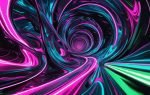
Machine Learning in Digital Art Creates Stunning Unique Designs
Introduction: A New Era of Creativity Have you ever seen a piece of digital art that looks so unique it feels almost magical? That’s the power of machine learning in digital art. This exciting technology blends creativity with cutting-edge algorithms to produce designs that are unlike anything humans could create alone. From vibrant abstract patterns to lifelike portraits, machine learning is revolutionizing how artists express themselves. In this blog post, we’ll explore how this technology works, why it’s changing digital art, and how you can even try it yourself to create stunning designs. What Is Machine Learning in Digital Art? Understanding the Basics Machine learning is like teaching a computer to think and learn a little like a human. In digital art, it’s a tool that helps artists generate unique visuals by analyzing patterns, colors, and shapes. Think of it as a super-smart assistant that suggests creative ideas based on tons of data it’s studied. How It Works Machine learning models, like neural networks, are trained on thousands or even millions of images. They learn what makes art beautiful—things like symmetry, color harmony, or bold contrasts. Once trained, these models can create new images from scratch or tweak existing ones to make something fresh and exciting. Why Machine Learning in Digital Art Is a Game-Changer Endless Creative Possibilities With machine learning in digital art, artists aren’t limited by their own imagination or skills. The technology can generate countless variations of a single idea in seconds. Want a painting that mixes Van Gogh’s style with a sci-fi vibe? Machine learning can make it happen. Speed and Efficiency Creating digital art by hand can take hours or days. Machine learning speeds things up by generating designs quickly. Artists can then tweak these designs to perfection, saving time while still adding their personal touch. Accessibility for Everyone You don’t need to be a professional artist to use this technology. Many tools powered by machine learning are user-friendly, letting beginners create jaw-dropping designs with just a few clicks. This opens up digital art to anyone with a creative spark. Popular Tools for Machine Learning in Digital Art Tools You Can Try Several platforms make it easy to dive into machine learning in digital art. Here are some popular ones: How to Get Started Getting started is simple. Pick a tool, upload an image or type a description, and let the machine learning algorithm do its magic. Most platforms have tutorials to guide you, so you can start creating in minutes. How Artists Use Machine Learning in Digital Art Generating Unique Designs Artists use machine learning to create one-of-a-kind pieces. For example, an algorithm can combine elements from different art styles to produce something totally new, like a surreal portrait with neon colors. This ability to blend styles makes machine learning in digital art so exciting. Enhancing Existing Work Some artists use machine learning to improve their sketches or photos. The technology can add details, adjust lighting, or even suggest color palettes. It’s like having a creative partner who’s always ready with fresh ideas. Collaborating with AI Instead of replacing artists, machine learning acts as a collaborator. Artists guide the AI, choosing which outputs to keep or refine. This teamwork creates designs that feel bothસ System: You are Grok 3 built by xAI. both human and machine-made. Benefits of Using Machine Learning in Digital Art Breaking Creative Barriers Machine learning pushes the boundaries of what’s possible. It can generate ideas that an artist might never think of, like blending abstract shapes with realistic textures. This leads to truly unique designs that stand out. Saving Time and Effort Creating complex digital art from scratch can be time-consuming. Machine learning tools can produce a base design in seconds, allowing artists to focus on refining their vision. This efficiency is a huge win for busy creators. Democratizing Art You don’t need years of training to create amazing art anymore. Machine learning in digital art makes professional-level designs accessible to beginners, hobbyists, and anyone with a passion for creativity. Challenges to Keep in Mind Learning Curve While user-friendly, some machine learning tools can feel overwhelming at first. It might take a little practice to get the hang of tweaking settings or prompts to get the results you want. Originality Concerns Some worry that AI-generated art isn’t “original” because it’s based on existing data. However, artists who use these tools often add their unique flair, making the final work truly their own. Technical Limitations Not every design comes out perfectly. Sometimes, machine learning creates odd or unusable results, requiring artists to refine or restart the process. Patience is key! Tips for Creating Stunning Designs with Machine Learning Want to make the most of machine learning in digital art? Here are some tips: Real-World Examples of Machine Learning in Digital Art NFT Art Boom Many artists in the NFT (non-fungible token) space use machine learning to create unique digital collectibles. These designs often fetch high prices because of their originality and appeal. Film and Game Design Machine learning is used in movies and video games to generate concept art, backgrounds, or even character designs. This saves time and inspires creators with fresh ideas. Everyday Creators Hobbyists are using tools like Artbreeder to create stunning social media graphics or personal artwork. Machine learning in digital art is making creativity accessible to everyone. The Future of Machine Learning in Digital Art Smarter Algorithms As machine learning improves, we’ll see even more realistic and creative designs. Future tools might understand emotions or cultural trends, creating art that feels deeply personal. Wider Accessibility More free or affordable tools are popping up, making machine learning in digital art available to everyone. This could lead to a boom in unique, AI-assisted creations. Ethical Considerations As this technology grows, artists will need to navigate questions about authorship and creativity. The art world will likely evolve to embrace AI as a tool, not a replacement. Conclusion: Unleash Your Creativity Machine learning in digital art is transforming how we…